

Elizabeth Owan.
Introduction
”Climate change is not just an environmental issue, it’s a security issue, an economic issue, a health issue, and a moral issue.” Ban Ki-moon, Former UN Secretary-General.
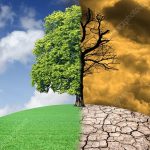
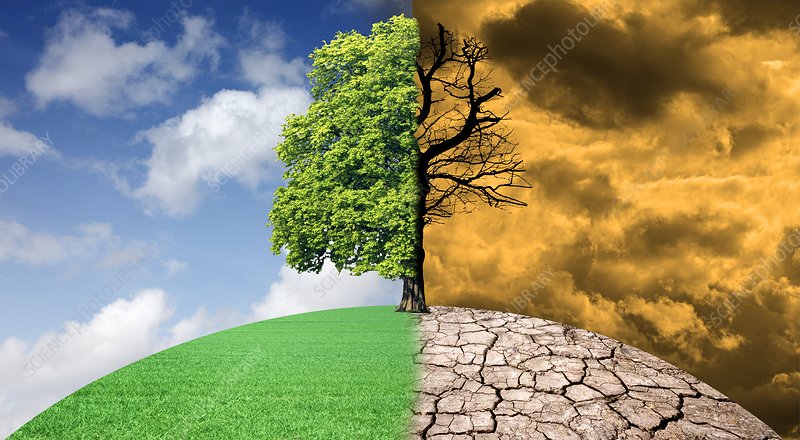
Imagine waking up one morning to discover your farm has been washed away by floods, or that the scorching heat is so intense it threatens your health and livelihood. This is not a distant reality for millions of Nigerians, it is happening right now. Climate change is no longer an abstract scientific debate; it is a daily experience shaping our economy, health, and environment.
Nigeria, Africa’s most populous nation, is already feeling the heat. From the shrinking Lake Chad that once supported over 30 million people, to rising sea levels threatening coastal cities like Lagos, the evidence is alarming. According to the World Bank, climate change could push an additional 6 million Nigerians into poverty by 2030 if urgent action is not taken. Extreme weather events are destroying farmlands, reducing crop yields, and worsening food insecurity. Our healthcare system is also under pressure as heatwaves, malaria outbreaks, and respiratory illnesses linked to pollution become more frequent.
What’s more, the environment that sustains us, our forests, rivers, and farmlands, is under siege. Deforestation, desertification in the north, and flooding in the south are displacing communities and eroding natural resources at an alarming rate. These challenges cut across every sector of national life, from agriculture to industry, from rural villages to urban centers.
The question is no longer if climate change is affecting Nigeria, but how deeply it is reshaping our future. Understanding its impact on our economy, health, and environment is the first step towards finding solutions that protect both people and planet. This article explores these pressing issues in a clear, relatable way because the fight against climate change is not just for scientists or policymakers, but for every Nigerian.
1. Climate Change And The Economy
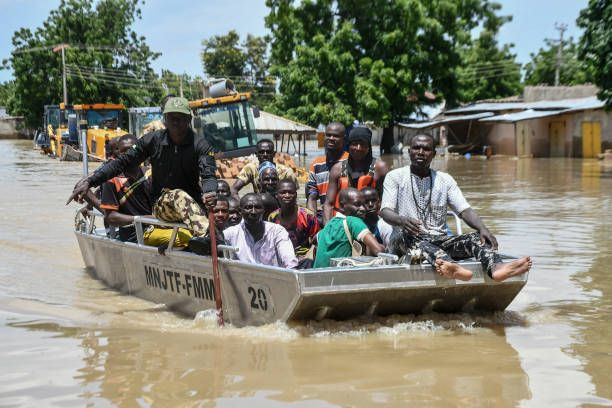
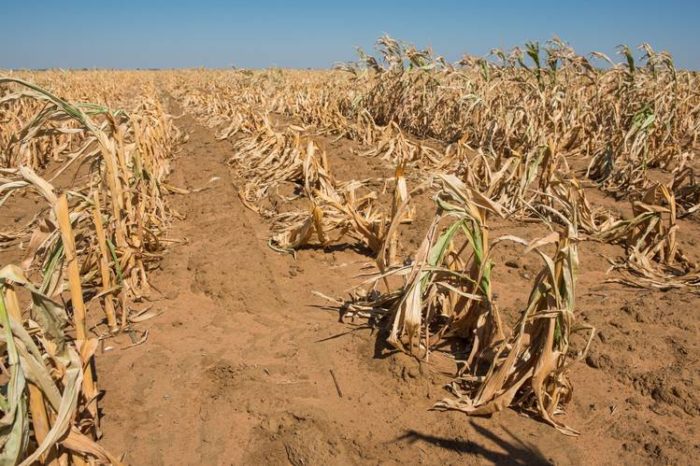
The Nigerian economy depends heavily on agriculture and oil, two sectors highly vulnerable to climate change. Farmers who once relied on predictable rainy seasons now struggle with either too much rain that causes flooding or too little that leads to drought. For example, the 2022 floods, Nigeria’s worst in a decade, killed over 600 people, displaced 1.4 million, and destroyed farmlands worth billions of naira. in northern Nigeria, desertification has swallowed up farmlands, pushing herders southward and fueling resource conflicts. Meanwhile, southern communities face devastating floods that destroy crops and displace families.
The United Nations Environment Programme (UNEP) estimates that Nigeria loses about 350,000 hectares of land annually to desert encroachment. Meanwhile, oil and gas installations in the Niger Delta face threats from rising sea levels and coastal erosion, endangering the nation’s main revenue source.
“Climate change is not just an environmental challenge; it is an economic threat multiplier.” Christiana Figueres, Former UN Climate Chief
The World Bank warns that climate change could reduce Nigeria’s agricultural productivity by up to 30% by 2050, putting millions at risk of hunger. Beyond agriculture, oil and gas installations along the coast are also at risk from rising sea levels and erosion. When the economy suffers, jobs are lost, prices of food and goods rise, and poverty deepens. In other words, climate change is not just an environmental issue, it is an economic threat to every Nigerian household.
2. Climate Change And Health
Our health is directly connected to the environment, and as the climate changes, so do the risks to our wellbeing. Rising temperatures are already exposing Nigerians to heat stress, dehydration, and cardiovascular illnesses. In cities like Kano and Sokoto, temperatures can soar above 45°C during heatwaves, putting vulnerable groups at serious risk.
Diseases are also spreading faster. Warmer conditions expand the breeding grounds of mosquitoes, increasing malaria cases, which already account for 27% of global malaria deaths, with Nigeria as the hardest-hit country (WHO, 2021). Floods contaminate drinking water, fueling outbreaks of cholera and diarrhea. In 2022, floods triggered a cholera outbreak that killed dozens in states like Borno and Kogi.
Urban areas are not spared either. Air pollution, largely from vehicle emissions, industrial activities, and gas flaring, causes over 114,000 premature deaths in Nigeria annually (Lancet Countdown, 2021).

“Climate change is the biggest global health threat of the 21st century.” The Lancet Commission on Health and Climate Change
This means climate change is not just about weather patterns , it is about whether Nigerians can live healthy, dignified lives.
3. Climate Change And The Environment
Nigeria’s rich environment , forests, rivers, savannahs, and coastlines , is under immense pressure. In the north, the Sahara Desert is creeping further south, swallowing villages and forcing families to migrate. The Lake Chad basin, once a lifeline for more than 30 million people, has shrunk by over 90% since the 1960s, leaving hunger, poverty, and conflicts in its wake.
In the south, sea level rise threatens to submerge parts of Lagos and the Niger Delta. According to the IPCC (2022 report), low-lying coastal areas in Nigeria could be underwater by 2050, displacing millions. Coastal erosion is already washing away communities in Bayelsa, Delta, and Rivers states.
Deforestation makes matters worse. Nigeria has one of the highest rates of forest loss in the world, losing about 351,000 hectares annually (FAO). Without trees, carbon emissions rise, rainfall patterns shift, and biodiversity declines.
“If we destroy nature, we destroy ourselves.” Wangari Maathai, Nobel Laureate
Protecting Nigeria’s environment is therefore not just about saving ecosystems , it is about safeguarding food, water, and the future of entire communities.
Solutions And Recommendations
- Invest in Renewable Energy
- Nigeria should harness its abundant sunlight and wind to build a clean energy economy.
- Shifting from fossil fuels to solar, wind, and hydro will cut emissions and create millions of green jobs.
- Promote Climate-Smart Agriculture
- Support farmers with drought-resistant crops, irrigation systems, and modern techniques.
- This will protect food security despite changing rainfall patterns and extreme weather.
- Protect Forests and Restore Ecosystems
Stop deforestation and promote large-scale tree planting.
- Forests act as natural carbon sinks, protect water resources, and preserve biodiversity.
Call to Action
Strengthen Healthcare and Disaster Preparedness
- Equip hospitals to handle heat-related illnesses, malaria, and flood-induced diseases.
- Improve early-warning systems and community disaster response to reduce casualties.
- Empower Local Communities
- Encourage grassroots adaptation strategies like flood-resistant drainage, water conservation, and wetland protection.
- Communities must be at the center of climate resilience.
- Engage the Private Sector
- Companies should invest in green businesses and sustainable technologies.
- This creates jobs and reduces environmental harm while
CONCLUSION
Climate change is no longer knocking at Nigeria’s door it has entered our homes, markets, hospitals, and farms. Its impact on the economy, health, and environment threatens our way of life, but it also gives us an opportunity to act.
By investing in renewable energy, promoting climate-smart agriculture, reforesting degraded lands, and strengthening our healthcare systems, Nigeria can build resilience. But the fight cannot be left to government alone, it requires the active involvement of citizens, private sector, and communities.
As UN Secretary-General Antonio Guterres warns: “We are running out of time. The climate emergency is a race we are losing, but it is a race we can win.”
The more Nigerians understand the realities of climate change, the more prepared we will be to demand action and take responsibility in our daily lives. This is not just about protecting the planet, it is about protecting our families, our future, and the soul of Nigeria.


Well captured. A lot is being said…